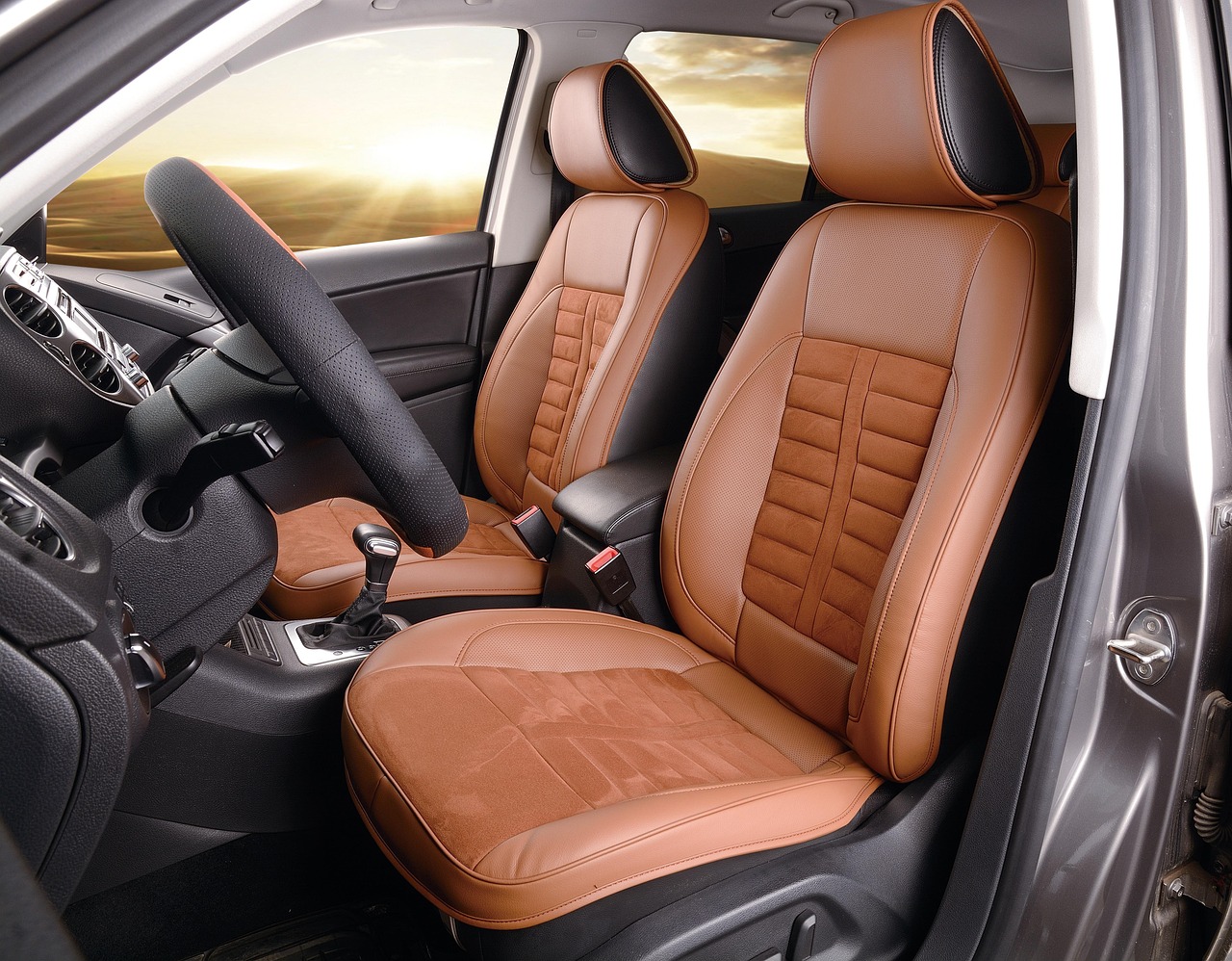
Seat cover listings use waterproof and water resistant almost interchangeably, and they are not the same thing. The difference is a laminated barrier layer, and it decides whether a spill sits on the surface or reaches the upholstery underneath.
What each term means in practice
Water resistant generally means a fabric treated with a coating that makes water bead and run off. It handles a damp coat, rain shaken off, light spills wiped promptly. Under sustained contact — a wet dog lying in the same spot for twenty minutes, or a significant accident — liquid will eventually pass through.
Waterproof means a laminated or coated barrier layer that does not pass liquid at all. The seams are then the weak point, and a genuinely waterproof cover has taped, welded or bound seams.
We keep whichever word the manufacturer uses on our product pages, without upgrading it. A listing that promotes a resistant fabric as waterproof is a claim the buyer discovers is false at the worst possible moment.
Construction to look for
- Backing layer: a separate waterproof film, usually described as PU or TPU backing.
- Seams: taped or bound. Plain stitched seams pass water through the needle holes.
- Quilting: comfortable and, if quilted through the backing, a grid of needle holes. Quilting bonded to the backing rather than stitched through is better.
- Non-slip underside: silicone dots or rubberised backing.
Hammock or bench
A hammock cover attaches to both front and rear headrests and forms a sling across the footwell, so an animal cannot fall forward on a heavy brake. A bench cover lies on the seat only.
Hammocks are more protective and get in the way if a person needs the back seat regularly. Many convert between the two, which is usually worth the small extra cost.
Neither is a restraint. A dog on a covered seat is still a loose animal, and a tether to a harness or a booster is a separate consideration.
Fit and anchoring
Covers move, and a cover that slides is worse than none because it bunches under the animal. Look for headrest straps with proper buckles rather than elastic loops, seat-anchor tabs that push into the seat crease, and a non-slip underside.
Measure your bench width before ordering. A cover that is too narrow leaves the sides exposed, which is precisely where hair and mud end up.
Seat belt and ISOFIX openings
If anyone else uses the back seat, the cover needs openings for the belt buckles. Covers without them force you to remove the whole thing to carry a passenger.
Check the openings are in the right place for your car rather than assuming a universal fit — they are usually flapped slots and their position varies.
Mesh windows
A mesh panel in a hammock lets a dog see forward and lets you see it, which reduces anxiety for a lot of animals. It also puts a large hole in the middle of the barrier, so a cover with a mesh window is not doing the same containment job as a solid one.
Cleaning
Most covers are machine washable cold with a gentle cycle. Do not tumble dry a waterproof-backed cover — heat delaminates the backing, which is the most common way a cover stops being waterproof.
Do not use fabric softener, which degrades water-repellent finishes. Shake out hair before washing; a cover put in a machine full of hair leaves hair in the machine.
Realistic expectations
Even a genuinely waterproof cover will not stop hair, will not stop claws marking leather at the edges, and will not survive a determined chewer. If an animal chews, a cover is a consumable rather than a purchase.
Matching to the animal
A short-coated dog that travels dry needs very little; a water-loving dog after a swim needs a real barrier and a towel as well. Buy for the worst journey you actually make, not the average one.
Fabric construction, seam type and dimensions are listed on each product in carriers and car travel.
Testing a cover when it arrives
Before fitting, put a small amount of water on the fabric and leave it for ten minutes, then check underneath. Ten minutes is roughly how long a spill sits before anyone notices, and it tells you which of the two words the product actually deserves.
Do the same over a seam. A fabric that holds water and a seam that does not is common, and it is the seam that will eventually reach the upholstery.
Restoring water repellency
Repellent finishes wear off with washing and abrasion. A spray-on repellent restores much of it on a resistant fabric — it will not turn a resistant cover into a waterproof one, since that requires a barrier layer rather than a surface treatment.
Wash first, apply to a clean dry cover, and let it cure fully before fitting. Applying repellent to a dirty cover fixes the dirt in place along with the finish.