Cleaning paws at the door is a chore that repays itself twice: it keeps mud off floors, and it is the most reliable moment in the week for noticing something wrong with a foot before it becomes a limp.
Why between the pads matters
Mud and grit work into the spaces between the pads and between the toes, and they stay there. Left in place they cause irritation, and in long-coated feet they mat into hard lumps that press on the skin.
Road salt in winter is worse, because it is both irritant and something the animal will lick off. Rinsing feet after a salted pavement is genuinely worth doing.
Cup-style paw cleaners
The cup with internal silicone bristles is the most practical tool for this. Add a few inches of water, insert the paw, twist gently a few times, lift out and dry.
Two things decide whether it works. The cup diameter must suit the paw — a large cup on a small dog wastes water and does not contact the pads, and a small cup on a large dog will not admit the foot. And the bristles should be soft enough to flex; stiff bristles are unpleasant and the animal will stop cooperating.
Do not force a paw in. Let the animal put weight through it, and hold the leg rather than gripping the foot.
Towels and mitts
A microfibre towel is fine for a light rain-damp foot and poor for mud, because it smears rather than lifts. A dedicated paw mitt with a textured surface does better.
Keep a towel by the door specifically for this, and wash it often. A damp towel used repeatedly becomes the thing making the feet smell.
Drying is not optional
The most common mistake is cleaning and not drying. Damp between the toes, repeatedly, is exactly the environment for yeast and bacterial problems, which is why some animals develop that distinctive smell in winter.
Dry between each toe with a corner of a towel. It takes twenty seconds a foot and prevents most of the problem.
Long coat between the pads
Hair growing between the pads collects everything and mats into hard pellets that press into the foot with every step. Trimming it level with the pads — not shorter — makes cleaning far easier.
Use blunt-nosed scissors or a small clipper, work in good light, and stop if the animal objects. If the hair is already matted tightly, that is a groomer’s job rather than a home one.
What to look for while you are down there
- Cracks or splits in the pads.
- Redness between the toes, or a dark waxy discharge.
- Grass seeds — small, sharp and capable of migrating into the foot.
- Broken or overlong nails, and the dewclaw, which is the one people forget.
- Any flinch when a particular toe is touched.
Persistent licking of one foot almost always means something is there. It is worth looking properly rather than discouraging the licking.
Winter salt
Rinse rather than wipe after walking on treated pavements, and dry thoroughly. Balms can help with cracked pads, and boots work for some animals and are rejected outright by others — there is no way to know which without trying.
Building tolerance
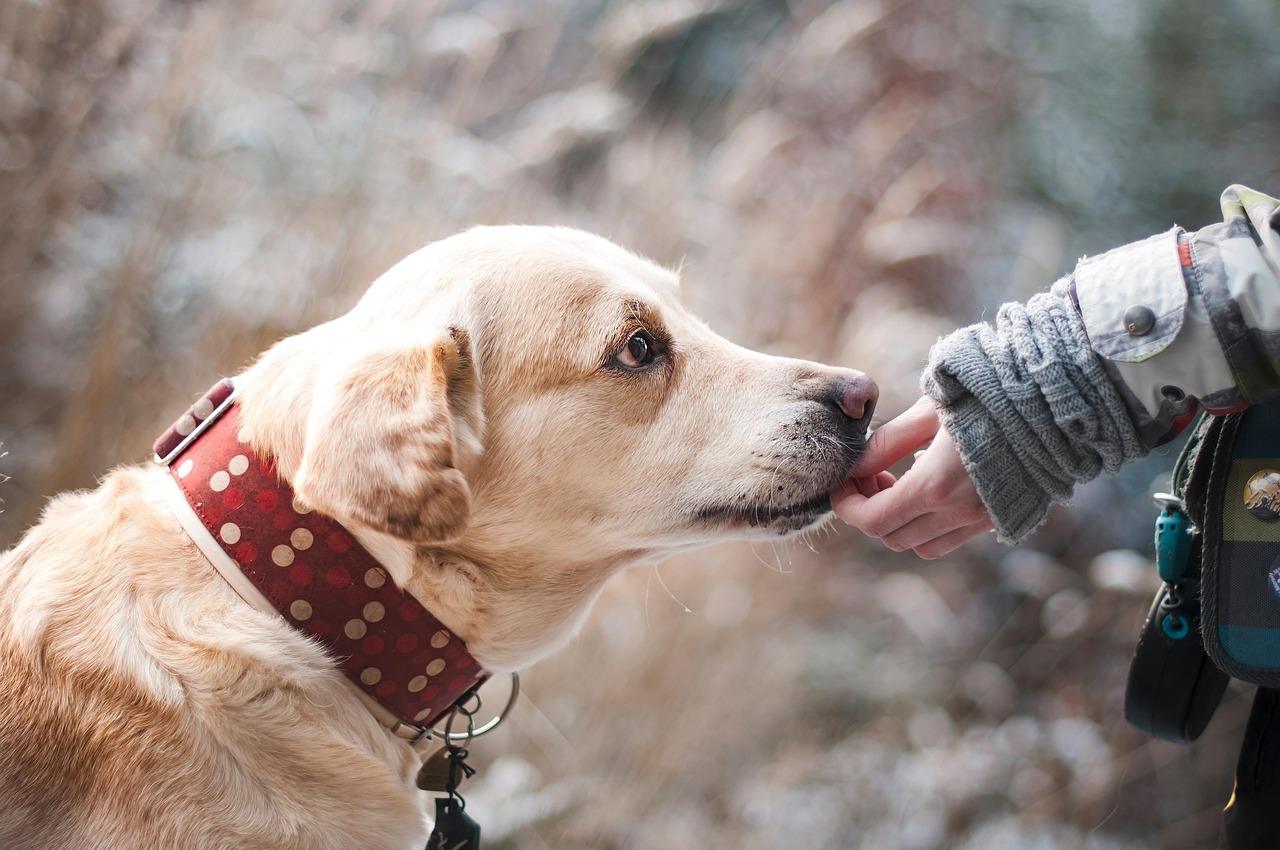
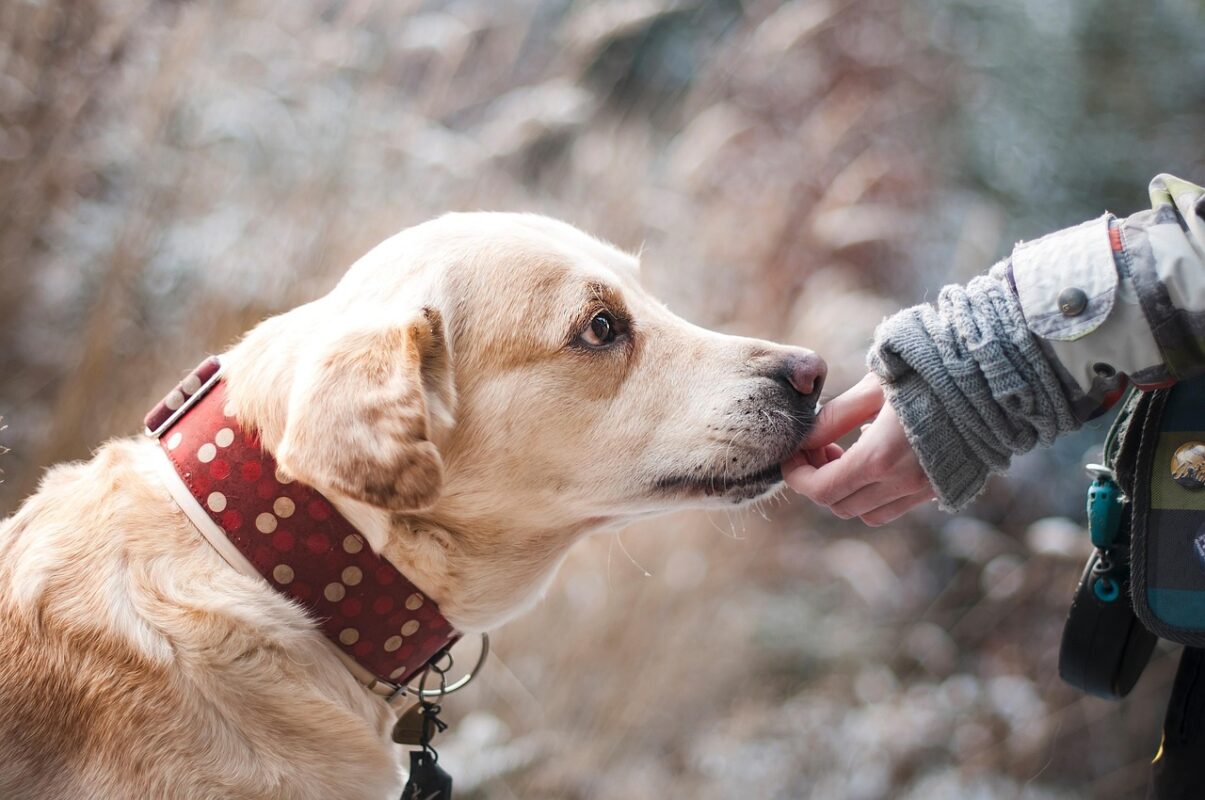
Handle feet regularly when nothing is wrong, with a treat afterwards, so that foot handling is normal. An animal whose feet are only touched when something is wrong learns to withdraw them.
For a puppy, thirty seconds of foot handling a day for a fortnight makes nail trimming and paw cleaning straightforward for life.
Cleaning the cleaner
Empty and rinse the cup after every use. Silicone bristles hold grit, and a cup left with muddy water in it grows a film within a day. Most cups come apart for washing; check that the one you buy does.
Cup diameters and bristle materials are listed on each product in grooming and bath.
Setting up a station by the door
The reason paw cleaning does not happen is that the equipment is somewhere else. A small basket by the door with the cleaner, a towel and a spare towel turns a five-minute job into a one-minute one.
A washable mat immediately inside the door catches what the cleaning misses and is far easier to deal with than a hallway floor.
Managing a dog that hates it
Most resistance to foot handling comes from being restrained rather than from the cleaning itself. Work with the animal standing, take one foot at a time, hold the leg rather than gripping the paw, and let it put the foot down when it wants to.
Feed a treat after each foot rather than at the end. Four small rewards teach the routine far faster than one large one, and within a fortnight most dogs offer the paw rather than withdrawing it.